Dah Sanskar: Honoring Life Through Sacred Final Rites
In Hindu tradition, Dah Sanskar represents the sacred funeral rites and rituals conducted to honor the departed soul. The word “Dah” signifies the act of cremation by fire, while “Sanskar” refers to the rites or sacraments that mark important milestones in an individual’s life, including their final journey. This ancient spiritual practice holds immense significance as it helps both the departed soul find liberation (moksha) and offers emotional closure to the grieving family.
What is Dah Sanskar?
Dah Sanskar is the set of prescribed rituals that are performed for the deceased, culminating in cremation. These rites are rooted in Vedic scriptures and aim to purify the soul, allowing it to transcend the earthly realm and begin its journey to the afterlife. The process involves a series of ceremonies and prayers, invoking divine blessings for peace and liberation.
Importance of Dah Sanskar
Dah Sanskar is much more than a funeral; it is a deeply spiritual and culturally significant event that:
- Liberates the Soul: The cremation ritual symbolizes freeing the soul from the physical body so it can continue its journey.
- Provides Closure: The ceremonies help the family come to terms with loss, offering solace and establishing a respectful farewell.
- Maintains Tradition: It preserves timeless customs linking generations through shared cultural values and faith.
- Strengthens Community: Funeral rites are often communal events, bringing family, friends, and neighbors together in mourning and remembrance.
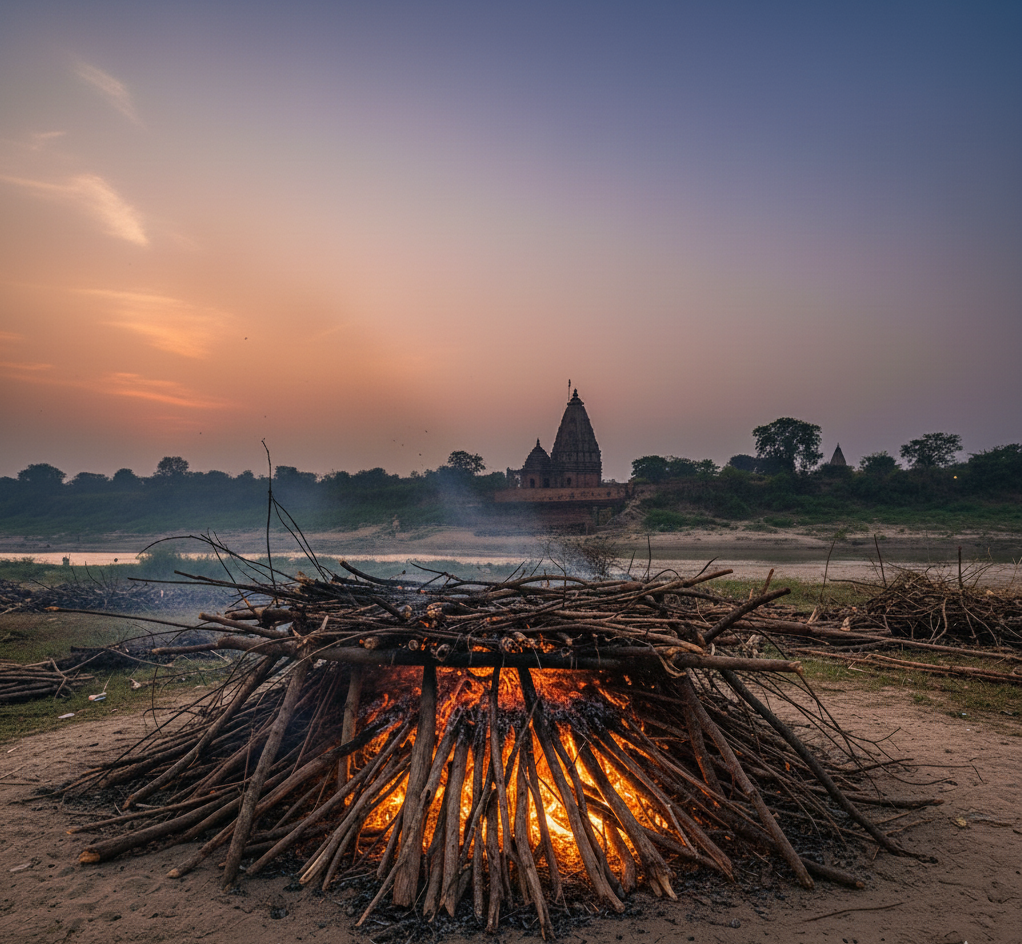
Key Rituals in Dah Sanskar
The Dah Sanskar ceremony comprises several important rituals enacted with precision and devotion:
- Preparation of the Body: The body is bathed, dressed in clean clothes, and adorned with flowers. It is then placed on a bamboo stretcher, often covered with a white cloth.
- Final Prayers: Priests and family members chant mantras and hymns from sacred texts such as the Garuda Purana, seeking blessings for the departed soul.
- Procession to the Cremation Ground: The body is carried by close relatives in a solemn procession to the cremation site. Traditionally, the eldest son or male relative lights the funeral pyre.
- Lighting the Pyre: The lighting of the pyre represents the physical release of the soul, transforming the body back to basic elements.
- Ritual Offerings: Offerings like ghee, sesame seeds, and holy water are poured into the fire as part of purification.
- Ash Collection: The ashes are collected after cremation, typically immersed in a sacred river such as the Ganges, symbolizing the return to nature.
Spiritual Significance and Beliefs
Dah Sanskar reflects the Hindu belief in the impermanence of physical life. The fire is a purifier that burns away earthly attachments, enabling the soul to transcend birth and death cycles. It also embodies the five elements—earth, water, fire, air, and ether—returning the body to its natural form.
Ancient texts emphasize that performing these rites correctly ensures peace for the departed and benefits accruing to their descendants. They also underscore respect for ancestors, a key pillar of Hindu dharma.
Support from Organizations and Community Services
Anmol Samarpan foundations provide assistance with Dah Sanskar ceremonies, especially for underprivileged families who may lack resources for these essential rites. Services may include:
- Arranging transportation and logistics for the body.
- Providing cremation materials such as wood and ghee.
- Facilitating priests and ritual performers.
- Emotional and spiritual support for grieving families.
By ensuring access to respectful and guided funeral rites, these organizations help preserve dignity and tradition during life’s most profound transition.
Environmental Aspects of Dah Sanskar
Modern adaptations are increasingly incorporating eco-friendly practices. Alternatives such as electric crematoriums and scattering ashes at designated eco-friendly sites are gaining acceptance, reducing deforestation and pollution caused by traditional pyres.
Environmental consciousness is gradually reshaping Dah Sanskar, balancing reverence for tradition with responsibility towards nature.
How to Participate in Dah Sanskar
Whether helping a loved one or contributing to community efforts, participating in Dah Sanskar involves:
- Understanding the significance of rituals and customs.
- Offering support to bereaved families with compassion and practical help.
- Volunteering with organizations that arrange funeral services.
- Promoting awareness about both traditional and eco-friendly practices.
Conclusion: A Sacred Farewell
Dah Sanskar is a sacred ceremony that honors the cycle of life and death with profound spirituality and cultural depth. It serves as a bridge between the physical and metaphysical, helping souls move towards liberation and providing comfort to those left behind.
Respecting and upholding Dah Sanskar traditions strengthens cultural identity, builds community solidarity, and nurtures spiritual continuity across generations. Whether through faith, service, or education, preserving these rites is essential for honoring life’s final journey with dignity and grace.